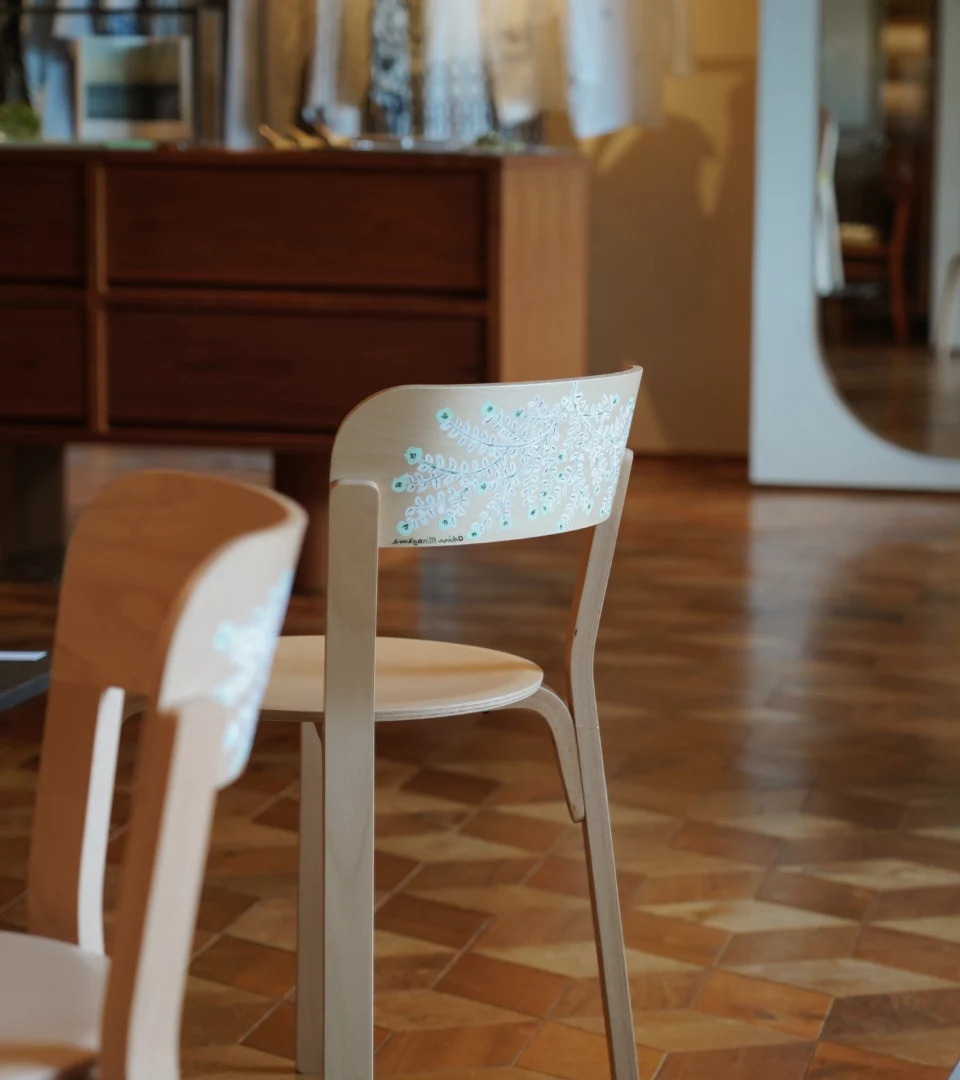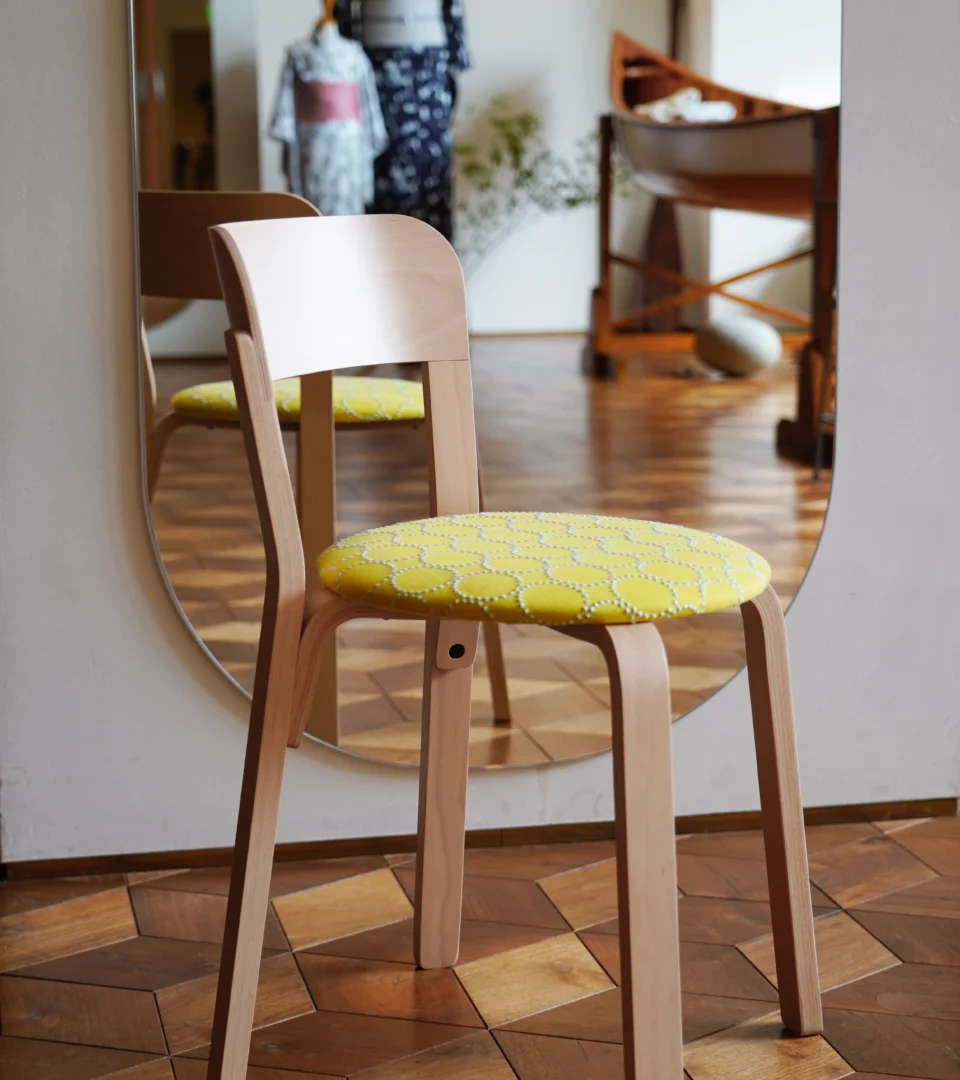
There are people whose work isn’t about impressing but about persisting. Akira Minagawa is one of them. Founder of the Japanese design house minä perhonen, and for more than 30 years, a distinctive figure at the intersection of fashion, textile art, design, and storytelling. His approach is quiet but consistent. It acts as a soft resistance against the fast and the superficial tendencies.
Minagawa was born i Tokyo in 1967. He grew up surrounded by the city’s pulse, but from an early age, he was drawn to the tactile and the poetic. He did not receive any formal education in design or illustration; rather, his career began as a craftsman, and perhaps that’s exactly what makes his approach so unique. Where many fashion designers build collections based on cuts and silhouettes, Minagawa often starts with a mood, a rhythm, an image. And he draws. In notebooks, on paper, in sketches full of fantasy, nature, and melancholy.
Portrait: Shoji_Onuma


Birth of minä perhonen
In 1995, he founded minä perhonen. The name is Finnish and means “I butterfly” – a choice that points to the personal and the fleeting, but also the light and transformative. From the start, the ambition was clear: to create clothing that would last. Not just physically, but emotionally. Garments that people would return to. That could be passed down. That would grow with their owner.
This doesn’t happen by following trends. It happens through care and dedication. Many of minä perhonen’s textiles are developed in collaboration with Japanese weavers and artisans, often over months or even years. The fabric is allowed to take its time. Each motif, each patters has its own logic, and many return year after year in new contexts.
Minagawa rarely talks about sustainable practices as a strategy. For him, it’s given. He produces only what he believes will be used. He keeps production local. And he’s built an organisation not around growth, but around endurance. In one interview, when asked if he had ambitions to expand, he answered simply: “I’ve thought about growth. I’ve thought about continuing.”
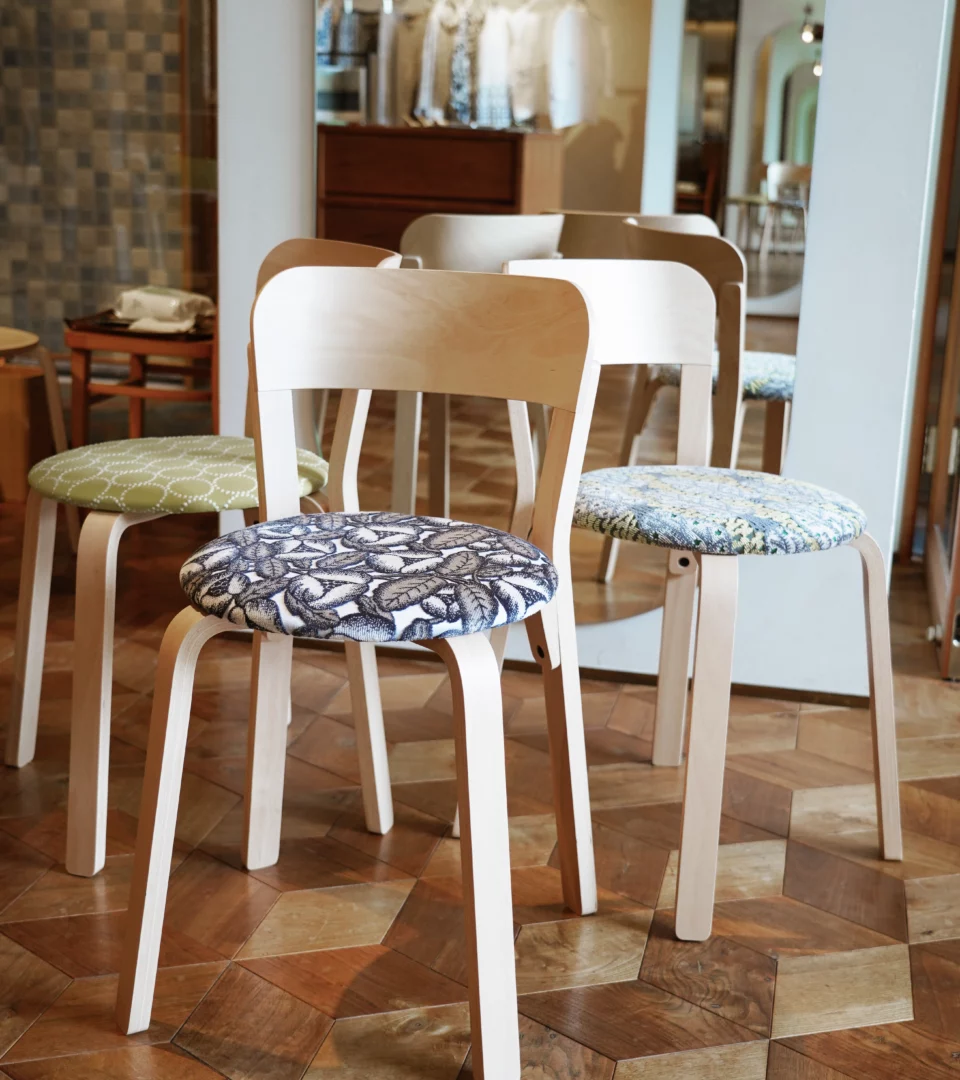
That’s also why minä perhonen is more than fashion. Over the years, the company has moved into interiors, furniture, lighting, and architectural collaborations. The common thread is the same: respect for materials, for users, and for history. Their patterns have been used on chairs in public spaces. On curtains in libraries. On bedspreads in boutique hotels. Always with a certain quietness that never competes with its surroundings – but supports them.
In Tokyo, Minagawa has also created a showroom called elävä (“about things that live”), where the life of the textiles can be followed over time. Older collections are exhibited alongside new ones, encouraging visitors to be inspired across time. It’s a physical expression of what he has always said: design must live.

Shared ethos
At TAKT, we see much of ourselves in Minagawa’s approach. We share a deep respect for durability, honesty, and human-centered design. Like him, we believe that the most radical act today is not necessarily to create something new – but to create something that lasts.
When our CEO, Martin Qvist Lorensen, met Minagawa for the first time earlier this year, it was clear to both that a shared perspective existed. “We spoke eye to eye from the first moment. We share a belief that it’s possible to run a business and take responsibility for the world. That these two things are not opposites – but prerequisites,” Martin says.
That’s why we want to share his story this summer. Not as a role model, but as an inspiration. A reminder that it’s possible to build something beautiful, calm, and meaningful in a world that oftes moves too fast and forgets what matters. Minagawa never forgets. And that may be his most important design decision.
Wishing you a wonderful summer – and thank you for reading.